What a Restoration Contractor Does With Your Insurance Adjuster, and What They Can't Do
A good contractor makes the claims process easier. Here's exactly where that help starts, and the one thing no contractor gets to decide.
September 15, 2026 · 4 min read
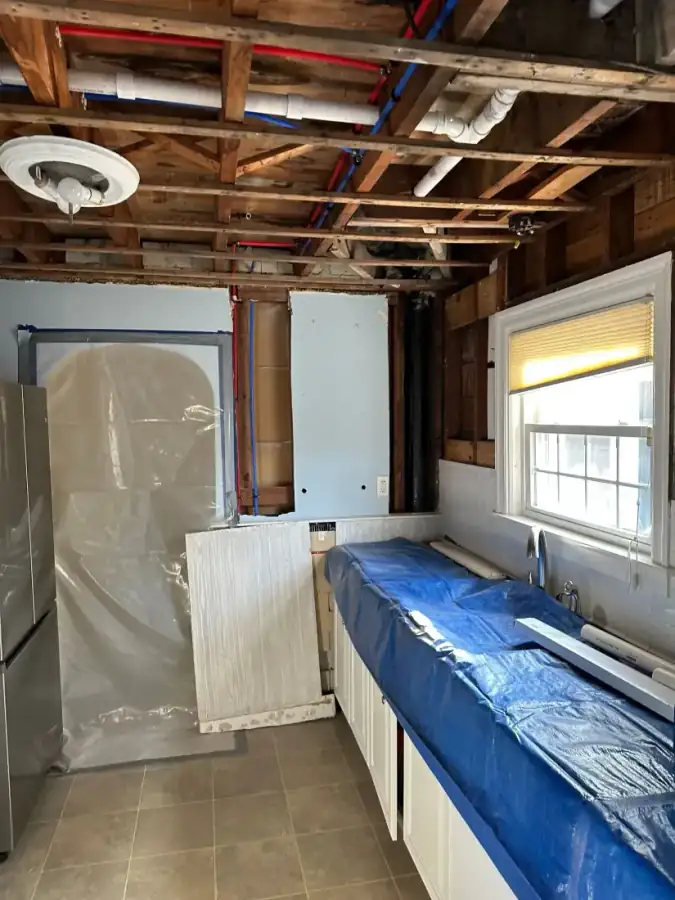
Filing an insurance claim after water or fire damage is one more thing added to an already bad week, and most homeowners have never done it before. A restoration contractor who's done this hundreds of times can make that process meaningfully easier. It's worth being clear about exactly what that help looks like, and where it stops, because the two get blurred more often than they should.
Documentation starts on day one, not when the adjuster calls
The single most useful thing a contractor does for a claim happens before the adjuster is even involved, documenting the loss thoroughly, in writing and in photos, from the first visit. Moisture readings, photos of the affected areas, a room by room scope of what's damaged and what work is needed, all of it dated and organized. Homeowners who try to reconstruct this a week or two later from memory are at a real disadvantage compared to a claim built on same day documentation.
What a preferred vendor relationship actually means
Insurance companies keep lists of contractors they work with regularly, sometimes called preferred vendors. Being on that list with several carriers, including Nationwide, Allstate, USAA, American Family, Liberty Mutual and Safeco, and the Sedgwick Claims Network, means the adjusters at those companies already know the contractor's documentation and pricing conventions, which tends to make the back and forth faster. It doesn't mean the contractor works for the insurance company, or that being preferred by a carrier changes what gets approved. It just means fewer surprises in the paperwork on both sides.
Where the contractor's job ends and the adjuster's begins
This is the part worth saying plainly. A restoration contractor documents the damage, explains the scope of work needed, and answers the adjuster's questions about what was found and why a given repair is necessary. What the contractor does not do is decide what a specific policy covers, interpret deductibles, or promise a claim outcome. That decision belongs to the insurance company, based on the specific policy the homeowner holds. Anyone in this business who tells a homeowner their claim is guaranteed to be approved, or names a dollar figure before the adjuster has reviewed anything, is promising something they don't actually control.
A good contractor can explain, in general terms, how similar claims have typically been handled, and can flag anything unusual in the scope that might need extra explanation to the adjuster. That's genuinely useful. It's different from telling someone what their own policy says, which only the policy itself, and the adjuster reading it, can actually answer.
In practice this usually looks like a short call or a site visit where the contractor walks the adjuster through what was found, points to the documentation already on file, and answers direct questions about the scope. Homeowners are welcome on that call, but they shouldn't have to be the ones relaying technical detail back and forth between two people who could just talk to each other directly. That's part of what the relationship is actually for.
What a good documentation package looks like
- Dated photos and video from the first visit, before any work begins, showing the full extent of the loss.
- Moisture readings and a room by room scope of damage, not just a summary.
- An itemized explanation of the work being proposed and why each part of it is necessary.
- Direct, documented communication with the adjuster rather than secondhand summaries passed through the homeowner.
The honest answer when someone asks what will be covered
It's a fair question and homeowners ask it constantly, understandably, in the middle of a stressful week. The honest answer is that it depends on the specific policy, and that's genuinely not something a contractor is positioned to answer. What a contractor can promise is thorough documentation, direct communication with whoever is handling the claim, and a scope of work built around what the house actually needs, not around a guess at what will get approved. Clean Care has worked enough of these claims over the years to know the difference between being helpful and overstepping, and the second one never serves the homeowner well in the end.
The most useful thing a homeowner can do while all of this is happening is keep asking questions, of both sides. A contractor who won't explain why a specific repair is on the scope, or an adjuster who won't explain why something got denied, should both be pushed for a straight answer. The claims process moves faster and with fewer surprises when everyone involved is actually talking, rather than everything getting filtered secondhand through whoever picks up the phone first.
Clean Care of New England, (401) 941-9111
Call (401) 941-9111More articles
The First Hour After a Burst Pipe or a Flooded Basement
Before a truck ever pulls up, what happens in that first hour decides how bad the damage really gets.
Why Mold Keeps Coming Back, and What Actually Stops It
Bleach makes mold disappear for a few weeks. Here's why it comes back, and what actually has to change for it to stay gone.